.svg)

.svg)

.svg)
.svg)
.svg)
Is standing seam metal roofing right for your Ontario home? Compare pros and cons, costs, and standing seam vs metal panels.
Standing seam metal roofing has quietly become one of the most discussed roofing choices across the Greater Toronto Area. Walk through any established neighborhood and you'll spot them: those clean vertical lines running from ridge to eave, creating a modern silhouette that stands apart from traditional asphalt shingles.
The appeal is obvious. But is standing seam metal roofing actually the right choice for your Ontario home? The answer depends on factors most homeowners don't consider until they're deep into the decision-making process. At Seam Roofing, we've installed hundreds of standing seam projects throughout the GTA, and we've learned exactly when this premium roofing system makes sense and when it doesn't.
What Standing Seam Metal Roofing Actually Is
Standing seam metal roofing is a concealed fastener panel system featuring vertical raised seams that connect each panel to the next. Unlike exposed fastener metal roofs where screws penetrate the surface, standing seam systems use hidden clips attached beneath the panels to secure them to your roof deck.
The "standing" part of the name comes from those raised seams that rise above the flat panel area, typically 1 to 3 inches depending on the profile. These vertical legs interlock with adjacent panels, creating continuous waterproof barriers that run the full length of your roof.
System Types and Components
Modern standing seam systems come in several profiles:
- Snap-lock panels: Feature edges that literally snap together during installation, eliminating the need for mechanical seaming tools
- Mechanical seam systems: Require special equipment to crimp the seams together, creating an even tighter weather seal
Choice factors: Roof pitch, local climate demands, and budget all influence which system works best
Materials matter significantly. Most Ontario installations use either galvanized steel or Galvalume (a steel core with an aluminum-zinc coating) in 24-gauge or 26-gauge thickness. Premium options include aluminum for coastal properties, copper for distinctive appearance and exceptional longevity, or zinc for modern architectural statements. Each metal brings different strengths, with steel offering the best balance of cost and performance for most GTA homes.
The panels themselves typically span 12 to 18 inches wide, with narrower profiles creating more traditional looks and wider panels delivering sleek, minimalist aesthetics. They're roll-formed to custom lengths, often allowing installers to create single-piece panels that run from your roof's ridge all the way to the eaves without horizontal seams.
How Standing Seam Performs in Ontario's Climate
Ontario weather tests roofing materials relentlessly. We experience temperature swings from -30°C winter nights to +35°C summer days, heavy snowfall that can exceed 100cm annually in some areas, ice storms that coat everything in thick layers of frozen precipitation, and severe thunderstorms packing high winds and driving rain.
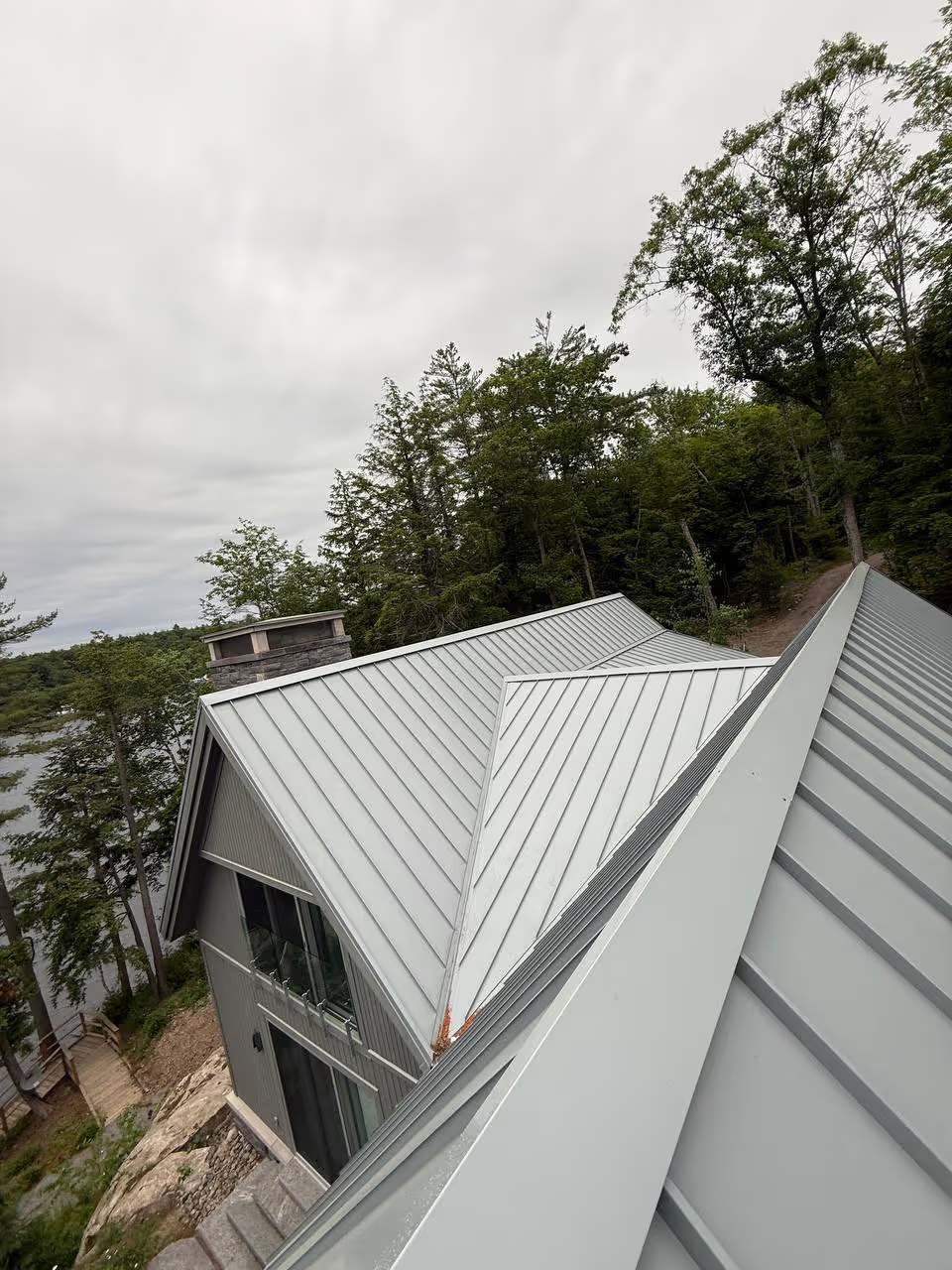
Standing seam metal roofing handles these extremes exceptionally well, but not for the reasons most homeowners assume. Our standing seam cottage project is a good example of how this system performs on a residential property in Ontario's cottage country climate.
Winter Performance
The smooth metal surface sheds snow efficiently, preventing the dangerous accumulation that stresses roof structures and creates ice dams. When temperatures rise above freezing, snow slides off in controlled releases rather than melting slowly and refreezing at eaves. This natural shedding reduces the freeze-thaw cycles that destroy other roofing materials.
Temperature fluctuations that would crack or warp asphalt shingles barely affect properly installed standing seam systems. The concealed clip design allows panels to expand and contract naturally as temperatures change. Float-type clips accommodate thermal movement on longer panel runs, preventing the buckling or fastener withdrawal that plagues improperly installed systems.
Ice dams, the curse of Ontario winters, rarely form on standing seam metal roofs. The smooth surface prevents snow from catching and building up in valleys or at eaves. Proper attic ventilation combined with metal's low thermal mass means less heat escapes to melt snow on your roof, reducing the conditions that create ice dams in the first place.
Wind and Weather Resistance
Wind resistance comes from the interlocking panel design and concealed fasteners. Strong winds can't get underneath panels to lift them like they can with shingles or exposed fastener metal. The continuous seams create exceptional weather-tightness, and because no fasteners penetrate the waterproof surface, there are no entry points for wind-driven rain.
Summer Energy Efficiency
Summer heat reflects off metal surfaces rather than absorbing into your home. According to research from the U.S. Department of Energy, metal roofing can reduce cooling costs by 10 to 25 percent compared to dark asphalt shingles. Recent studies indicate that reflective metal roofing can save homeowners up to 40% in energy costs. In Ontario's increasingly hot summers, this energy efficiency provides tangible benefits beyond the environmental appeal.
The reality is that standing seam metal roofing isn't just surviving Ontario weather. It's engineered specifically for climates like ours.
Advantages That Actually Matter to Homeowners
Beyond the marketing claims and sales pitches, standing seam metal roofing delivers specific benefits that impact your daily life and long-term finances.
Exceptional Longevity
A properly installed standing seam metal roof lasts 50+ years with minimal maintenance. Premium materials like copper can last well over a century. Compare this to asphalt shingles that typically need replacement every 20 to 30 years, and the value proposition becomes clear. If you're 40 years old and install a standing seam roof today, it will likely be the last roof you ever buy for this house.
True Weather Protection
The concealed fastener design eliminates thousands of potential leak points. Every exposed screw on a traditional metal roof is a place where water can eventually penetrate. Standing seam systems have zero fastener penetrations on the weather surface. The raised seams prevent water from flowing horizontally across the roof, and the interlocking panel design creates multiple barriers against moisture intrusion.
Minimal Maintenance Requirements
Annual inspections suffice for most standing seam roofs. You'll want to:
- Clear debris from valleys and check sealant around penetrations
- Avoid replacing individual shingles
- Skip battling granules washing into gutters
- Eliminate moss or algae growth combat
The smooth metal surface resists biological growth that plagues other materials.
Energy Efficiency and Insurance Benefits
Metal roofing reflects solar radiation rather than absorbing it. This reduces attic temperatures and lowers cooling costs during summer months. Some insurance companies even offer premium discounts for metal roofing due to its superior fire resistance and wind performance.
Curb Appeal and Property Value
Standing seam metal roofs make a statement. The clean vertical lines create modern aesthetics that complement both contemporary and traditional architecture. When properly color-matched to your home, a standing seam roof enhances curb appeal significantly. Real estate agents frequently cite metal roofing as a premium feature that can command higher asking prices and attract quality buyers.
Environmental Sustainability
According to industry reports, most standing seam panels contain 25 to 100 percent recycled content and remain fully recyclable at end of life. Unlike asphalt shingles that typically end up in landfills, old metal roofing becomes feedstock for new products. The exceptional lifespan also means fewer replacement cycles and less construction waste over the building's lifetime.
Compatibility with Modern Features
Standing seam profiles work exceptionally well with solar panel installations. The raised seams provide ideal attachment points for mounting systems without penetrating the roof surface. If you're considering solar power now or in the future, standing seam simplifies installation and maintains roof warranty.
These advantages aren't theoretical. Browse our metal roofing projects and you'll see these benefits playing out on real Ontario homes.
Our modern cottage roofing project demonstrates how standing seam handles both the aesthetic and performance demands of Ontario cottage properties.
Real Limitations and When Standing Seam Isn't Ideal
Standing seam metal roofing isn't perfect, and glossing over its limitations does nobody any favors. Here are the real drawbacks you need to consider.
Significant Upfront Investment
Standing seam costs substantially more than asphalt shingles. Based on current 2024-2025 Ontario market rates, here's what you can expect:
For an average 2,000 square foot roof, you're looking at $24,000 to $32,000 or more depending on material choice, roof complexity, and regional labor rates. This is roughly two to three times the cost of premium asphalt shingles.
The higher cost reflects quality materials, specialized installation skills, and the engineering that goes into these systems. But for homeowners with tight budgets or those planning to sell within 5 to 10 years, the premium might not make financial sense.
Installation Complexity
You cannot cut corners on installation. Standing seam requires:
- Specialized training and certification
- Proper equipment including mechanical seamers
- Meticulous attention to detail
- Precise panel measurements
- Properly spaced and secured clips
- Accommodation for thermal movement
The precision required for standing seam is evident in completed work like our precision steel detailing project.
Finding qualified installers can be challenging in some areas. At Seam Roofing, we've invested heavily in training and equipment specifically for standing seam installations, but not every roofing company has this capability. Poor installation voids warranties and creates problems that are expensive to fix.
Installation defects are also the single biggest driver of why Ontario roofs fail well before their expected service life.
Noise Considerations
Rain on metal creates sound. Proper installation with solid decking and quality underlayment minimizes this, and many homeowners actually enjoy the sound of rain on their roof. However, if your bedroom sits directly under the roof with minimal insulation, heavy rainstorms will be noticeably louder than with asphalt shingles.
Adding insulation boards or spray foam can reduce sound transmission, but this adds cost. Be honest about your noise tolerance before committing to standing seam.
Noise is one of several metal roofing myths that continue to mislead Ontario homeowners. Most don't survive contact with a properly installed modern system.
Oil Canning Potential
Oil canning (the wavy or bubbled appearance some metal panels develop) is a cosmetic issue that doesn't affect performance but bothers aesthetically-minded homeowners. It occurs when panels are fastened too tightly or when temperature changes cause slight warping.
Experienced installers minimize oil canning through proper clip spacing and panel handling, but light-gauge steel panels can still show some waviness under certain lighting conditions. This is considered normal in the industry, not a defect, but it surprises homeowners who expect perfectly flat panels.
Repair and Modification Challenges
Adding roof penetrations after installation is more complex with standing seam. Installing a new bathroom vent or satellite dish requires careful planning to maintain weather-tightness. Repairs, while rare, require specialized knowledge. You can't just replace a damaged panel the way you can swap out a few shingles.
Limitations on Certain Roof Designs
Standing seam doesn't work well on flat roofs or ultra-low slopes below 3:12 pitch (though some mechanical seam systems can go lower). Roofs with numerous valleys, dormers, and complex geometries increase installation difficulty and cost. Very small roof sections may not justify the expense compared to other materials.
Color Matching for Future Additions
Paint finishes fade slightly over time, and manufacturers discontinue colors. If you need to replace panels or add a roof section years later, exact color matching can be difficult. This matters if visual consistency is important to you.
Standing Seam vs Other Metal Roofing Systems
Not all metal roofing is created equal. Understanding the differences helps clarify when standing seam makes sense versus other metal options.
Comparison Table: Metal Roofing Systems
Exposed Fastener Metal Panels
These are the corrugated or ribbed panels you see on barns and commercial buildings. Screws penetrate directly through the panels into the roof deck, with rubber washers creating the weather seal. They cost significantly less than standing seam, making them attractive for budget-conscious projects.
However, those exposed fasteners are also the system's weakness. Every screw is a potential leak point. Rubber washers deteriorate over time, requiring periodic inspection and replacement. The panels themselves last 30 to 40 years, but fastener maintenance can be intensive. For residential applications where appearance and longevity matter, exposed fastener panels rarely compete with standing seam.
Metal Shingles or Tiles
These systems mimic the appearance of slate, clay tile, or wood shakes using stamped metal panels. They offer metal's durability with more traditional aesthetics and generally cost less than standing seam while more than exposed fastener systems.
The trade-off is complexity. Metal shingles require more labor to install, create more seams (more potential for issues), and don't offer the clean lines of standing seam. They work well when architectural style demands traditional appearance with metal performance, but they're essentially a compromise between looks and the superior weather-tightness of standing seam.
Flat Lock or Batten Seam
These are variations of standing seam with different visual profiles. Flat lock creates a low-profile, almost flat appearance with soldered seams. Batten seam uses raised caps over the seams for dramatic shadow lines. Both are premium systems often using copper or zinc.
They share standing seam's concealed fastener benefits but typically cost even more due to specialized installation requirements. These make sense for high-end custom homes or historic restoration projects, not typical residential applications.
For most Ontario homeowners, the decision comes down to standing seam versus exposed fastener metal versus asphalt shingles. Standing seam costs more but delivers superior performance and longevity. Exposed fastener metal offers metal benefits at lower cost but requires more maintenance. Asphalt shingles provide proven performance at the lowest upfront investment.
We install all these systems at Seam Roofing and help homeowners choose based on their specific situation, not what makes us the most profit.
Who Should Seriously Consider Standing Seam
Standing seam metal roofing makes the most sense for specific homeowner profiles and situations.
Ideal Candidate Profiles
- Long-Term Homeowners
If you plan to stay in your house for 20+ years, standing seam's longevity becomes a major advantage. You'll avoid the cost and hassle of roof replacement that shingle users face. The higher upfront cost amortizes over decades of service, and you benefit from reduced maintenance and energy savings throughout that period.
- Modern or Contemporary Architecture
Standing seam's clean lines complement modern architectural styles perfectly. If your home features large windows, minimalist design, or industrial elements, standing seam metal enhances rather than fights your aesthetic. Many architects now specify standing seam for custom homes specifically because of its visual impact.
- Energy-Conscious Homeowners
If reducing your environmental footprint matters to you, standing seam delivers. The recycled content, recyclability, energy efficiency, and exceptional lifespan make it one of the most sustainable roofing choices available. Combined with solar panels, a standing seam roof creates a truly green roofing system.
- Homeowners in Snow-Heavy Regions
Properties that experience significant snow loads benefit from standing seam's shedding characteristics. If you're tired of paying for snow removal or worried about ice dam damage, standing seam provides real solutions. Areas north of the GTA or cottage properties in snow belts see particular benefit.
- Quality-Focused Buyers
Some homeowners simply want the best available option regardless of cost. If you approach home improvements as long-term investments in quality, standing seam delivers. It's the roofing equivalent of choosing hardwood floors over laminate: more expensive, but fundamentally better.
- Homeowners with Challenging Existing Roofs
If your current roof has persistent problems (ice dams every winter, frequent shingle loss from wind, water intrusion issues), standing seam can solve problems other materials can't. The investment makes sense when you're tired of ongoing repairs.
- Properties with Low Roof Access
If your roof is difficult to access for maintenance, standing seam's low-maintenance nature becomes valuable. You won't need repeated trips up there for repairs or shingle replacement.
When to Call a Roofing Professional
Even after researching standing seam extensively, professional consultation remains valuable. Here's when you should schedule a roofing consultation:
Before Making Final Material Decisions
A qualified roofer can assess your specific roof, consider your goals and budget, and recommend the most appropriate system. We've talked homeowners out of standing seam when it wasn't the best fit for their situation and recommended it when it solved specific problems they faced.
When You See Warning Signs
Ceiling stains, visible damage, granules washing from shingles into gutters, or roofs approaching 20 years old all warrant professional inspection. We can assess remaining life, identify developing problems, and help you plan replacement timing.
During Home Purchase or Sale
Pre-purchase roof inspections protect buyers from surprises. Sellers benefit from professional assessments that document roof condition and remaining lifespan. A well-maintained standing seam roof becomes a selling point; documentation proves its value.
After Severe Weather
Major storms, heavy snow, or hail should trigger roof inspection. Even durable standing seam can suffer damage from extreme events. Early detection prevents small problems from becoming major failures.
When Planning Major Renovations
If you're adding square footage, installing solar panels, or making other significant changes, consult roofing professionals early. These projects interact with your roof in ways that aren't always obvious, and planning prevents expensive surprises.
Making Your Decision
Standing seam metal roofing represents a significant investment that pays dividends over decades. It handles Ontario's challenging climate better than virtually any alternative, delivers exceptional longevity, and enhances your home's value and appearance.
But it's not the right choice for every homeowner or every situation. The higher upfront cost, installation complexity, and specific aesthetic may not align with your priorities or budget.
Key Decision Factors
The key is making an informed decision based on your specific circumstances:
- How long you plan to stay in the home
- Your budget flexibility
- Your tolerance for maintenance
- What you value in a roofing system
At Seam Roofing, we've completed standing seam installations throughout our service areas across the GTA. We've also installed thousands of high-quality asphalt shingle roofs and flat roofing systems when those materials better served the homeowner's needs.
Our goal isn't selling the most expensive option. It's ensuring you get the right roof for your situation. We provide transparent pricing, realistic timelines, and honest assessments of what each roofing system offers.
Ready to discuss your roofing project? Contact us to schedule a consultation. We'll visit your property, assess your specific situation, explain your options, and provide detailed proposals for different approaches. No pressure, no sales tactics. Just professional guidance from experienced roofers who care about getting it right.
Your roof is one of your home's most important investments. Make sure you choose wisely.

.svg)
.svg)