.svg)

.svg)

.svg)
.svg)
.svg)
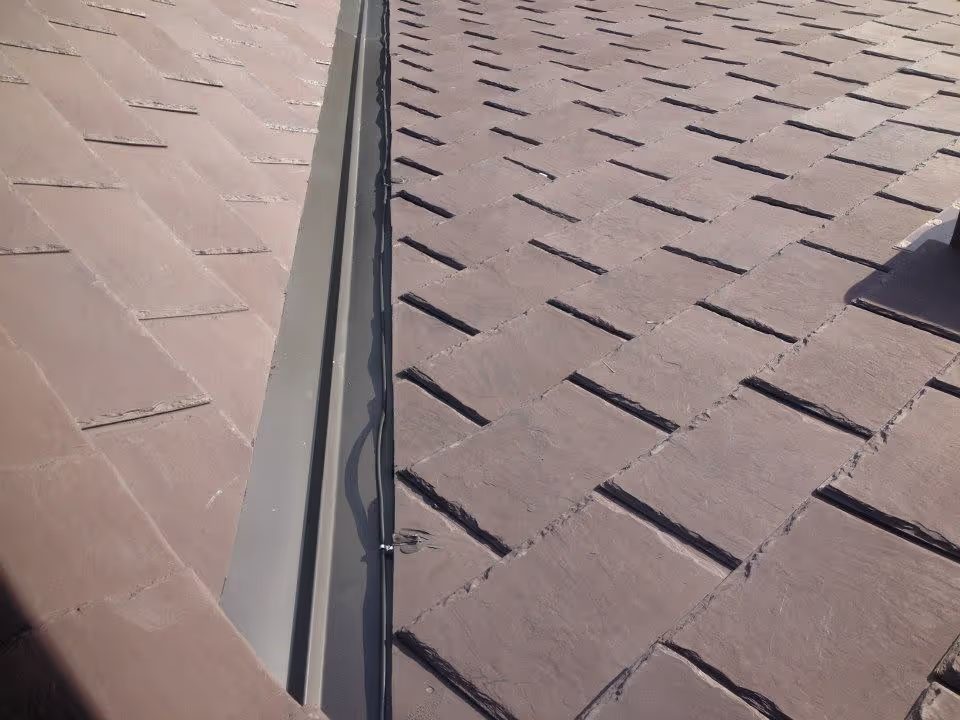
How long does a roof last in Ontario? Compare asphalt shingle roof lifespan, metal roofing longevity, and flat roof performance.
When shopping for a new roof, the question everyone asks is simple: how long will it last? The answer is frustratingly complex because Ontario's climate doesn't play nice with roofing materials. What lasts 30 years in Arizona might tap out at 18 here in the GTA.
At Seam Roofing, we've installed every roofing system available across our service areas, from budget asphalt shingles to premium standing seam metal roofs. We've also seen which materials actually deliver on their promised lifespan and which fall short when Ontario weather gets involved.
This guide breaks down real-world roof lifespans for Ontario homes and commercial properties, explains why the same material performs differently depending on specific factors, and helps you understand what "20-year shingles" actually means in our climate.
Why Roof Lifespan Varies So Much in Ontario
Two identical homes on the same street can install the same roofing material on the same day. One roof lasts 25 years. The other needs replacement at 17. This isn't bad luck. It's the result of variables most homeowners never think about.
Ontario's climate creates unique challenges that accelerate roof aging:
Temperature Extremes: We swing from -30°C winter nights to +35°C summer days. These extreme fluctuations cause expansion and contraction cycles that stress every roofing material. Ontario's temperature variations significantly impact how long roofing materials last compared to more stable climates.
Freeze-Thaw Cycles: Water expands when it freezes. Any moisture that penetrates roofing materials freezes overnight, expands, thaws during the day, and repeats hundreds of times each winter. This cycle destroys roofing materials from the inside out.
Snow Loads: Parts of Ontario receive over 220cm of snow annually. This weight stresses roof structures and creates conditions for ice dams, which force water under shingles and cause premature failure.
UV Radiation: Despite our cold winters, Ontario summers deliver intense UV radiation that breaks down asphalt shingles and other materials. South-facing roof sections often show damage 5 to 7 years before north-facing sections on the same roof.
Installation Quality: The single biggest factor determining actual lifespan is installation quality. According to the Metal Roofing Alliance, proper ventilation alone can extend roof life by up to 20 percent. Poor installation can cut a roof's lifespan in half, regardless of material quality.
Understanding these variables helps set realistic expectations for how long your specific roof will last in Ontario's demanding climate.
Asphalt Shingle Roof Lifespan in Ontario
Asphalt shingles dominate residential roofing across the GTA for good reason: they balance cost, performance, and proven reliability. But not all asphalt shingles are created equal, and their actual lifespan in Ontario varies significantly by type and quality.
Three-Tab Shingles: 15 to 20 Years
Basic three-tab shingles are the most economical option. These flat, single-layer shingles provide adequate protection but represent entry-level performance. In Ontario's climate, expect 15 to 20 years of service with proper installation and maintenance.
Three-tab shingles work for budget-conscious homeowners or rental properties where minimizing upfront costs matters more than longevity. However, they require more frequent replacement than premium options, making them potentially more expensive over 30 to 40 years of homeownership.
Architectural Shingles: 25 to 30 Years
Architectural (also called dimensional or laminate) shingles use thicker, multi-layered construction that mimics the appearance of wood or slate. This enhanced construction delivers better wind resistance, improved granule adhesion, and longer service life.
Industry data indicates that quality architectural shingles last 25 to 30 years in Ontario's climate when properly installed and maintained. These shingles cost more upfront but provide better value over time for most homeowners.
Most of our asphalt shingle installations use architectural shingles because they hit the sweet spot of cost, performance, and aesthetics for typical GTA homes.
Premium Designer Shingles: 30 to 40 Years
Premium asphalt shingles feature enhanced durability, impact resistance, and specialized granule technology. With proper maintenance, these high-performance shingles can reach 30 to 40 years of service in Ontario.
Premium shingles make sense for homeowners who plan long-term ownership and want maximum performance from asphalt. However, at these price points, it's worth comparing costs against metal roofing options that may offer better long-term value.
What Actually Affects Shingle Lifespan
Several factors determine whether your shingles reach their full potential lifespan:
Proper Ventilation: Adequate attic ventilation prevents heat and moisture buildup that cooks shingles from below. Poor ventilation can shorten shingle life by 5 to 7 years.
Installation Timing: Installing shingles in late fall when temperatures drop below optimal sealing conditions can prevent proper adhesion. Shingles installed in October might not seal until the following spring, leaving them vulnerable to wind damage through winter.
Roof Pitch: Steeper roofs shed water and debris more efficiently than low-slope roofs. Shingles last longer on steep pitches because water sits for shorter periods.
Maintenance: Regular inspections, gutter cleaning, and prompt repair of damaged shingles can add years to your roof's life. Most homeowners skip this entirely and wonder why their roof fails early.
Metal Roofing Lifespan in Ontario
Metal roofing delivers exceptional longevity in Ontario's climate. The material's inherent properties handle temperature extremes, snow loads, and UV exposure better than organic materials that deteriorate over time.
Steel and Aluminum Metal Roofs: 40 to 70 Years
Quality steel and aluminum roofing systems typically last 40 to 70 years in Ontario, depending on coating quality, gauge thickness, and installation method. Standing seam systems with concealed fasteners generally outlast exposed fastener panels because they eliminate penetrations that can leak over time.
Our standing seam metal roofing projects consistently demonstrate superior weather protection and minimal maintenance requirements. The higher upfront cost amortizes over decades of service, often making metal more cost-effective than replacing asphalt shingles multiple times.
Premium Metal Materials: 50 to 100+ Years
Copper and zinc roofing systems can last a century or more with minimal maintenance. These premium metals develop protective patinas that actually improve weather resistance over time. While expensive, they represent the ultimate longevity for homeowners planning generational ownership.
Metal Roofing Advantages in Ontario Climate
Metal roofing handles Ontario weather exceptionally well:
- Snow sheds naturally, preventing dangerous accumulation and ice dam formation
- Temperature fluctuations don't crack or warp properly installed metal panels
- Concealed fastener systems have zero leak points on the weather surface
- UV radiation reflects off metal rather than degrading it
- Freeze-thaw cycles don't affect metal like they destroy organic materials
The investment makes particular sense for homeowners planning 20+ years of ownership or properties in snow-heavy regions where ice dam damage plagues other roofing materials.
Flat Roofing System Lifespan in Ontario
Flat roofing systems serve commercial buildings and some residential applications across the GTA. Different membrane types offer varying lifespans and performance characteristics suited to specific applications.
The system you choose,TPO, EPDM, modified bitumen, or BUR, affects not just lifespan but performance across Ontario's freeze-thaw cycles; for a full breakdown, see our flat roofing systems comparison guide.
Comparison: Flat Roofing System Lifespans
Modified Bitumen: 20 to 30 Years
Modified bitumen (often called "torch-down roofing") combines traditional asphalt waterproofing with modern polymer technology. According to the National Roofing Contractors Association, properly installed systems last 20 to 30 years in Ontario's climate.
The multi-layer construction provides excellent waterproofing and handles foot traffic better than single-ply membranes. However, installation requires skilled contractors and presents fire risk during torch application.
EPDM (Rubber Membrane): 25 to 30 Years
EPDM (ethylene propylene diene monomer) rubber roofing delivers excellent longevity at moderate cost. Industry data shows EPDM systems reaching 25 to 30 years or more with proper maintenance and periodic coating application.
EPDM's elasticity absorbs hail impact and handles temperature extremes well. The material resists UV damage and provides reliable waterproofing. Our Public Library flat roofing project demonstrates EPDM's suitability for institutional applications where longevity and low maintenance matter.
TPO (Thermoplastic): 20 to 25 Years
TPO (thermoplastic polyolefin) has captured significant market share due to its heat-welded seams and energy efficiency. White TPO reflects solar heat, reducing cooling costs. Systems typically last 20 to 25 years in Ontario.
TPO represents good value for commercial applications where energy efficiency provides ongoing operational savings. The heat-welded seams create reliable waterproofing superior to adhesive-bonded systems.
PVC: 25 to 30 Years
PVC (polyvinyl chloride) roofing offers excellent chemical resistance and durability. Systems average 25 to 30 years of service and resist grease, animal fats, and chemical exposure better than other membranes.
PVC makes sense for restaurants, hospitals, and facilities where chemical resistance matters. The material costs more but delivers superior performance in demanding applications.
Flat Roof Maintenance Impact
All flat roofing systems require proper drainage to reach their potential lifespan. Ponding water accelerates membrane deterioration and creates leak points. Regular inspections, debris removal, and drainage maintenance can extend flat roof life significantly.
Our flat roofing service includes comprehensive maintenance planning to maximize system longevity and prevent premature failure.
Installation Quality vs. Material Choice
Here's the truth most roofing companies won't tell you: installation quality matters more than material selection in determining actual roof lifespan.
Premium materials installed poorly will fail faster than budget materials installed correctly. Research consistently shows that improper installation causes more premature roof failures than material defects.
Common Installation Mistakes That Shorten Lifespan
Incorrect Fastening: Nails driven too high, too low, or at wrong angles compromise wind resistance and waterproofing. Each roofing material has specific fastening requirements that must be followed exactly.
Inadequate Ventilation: Poor attic ventilation traps heat and moisture that degrades shingles prematurely. Proper ventilation can extend roof life by 5 to 7 years or more.
Skipped Underlayment: Using substandard or insufficient underlayment eliminates your roof's primary water barrier. This waterproof layer is critical for long-term performance.
Poor Flashing Details: Flashing around chimneys, vents, and wall intersections fails first on most roofs. Proper flashing installation requires skill and attention to detail many contractors skip.
Wrong Materials for Application: Not every material works for every roof. Pitch, exposure, and climate all influence which materials will perform well and which will fail prematurely.
Why Professional Installation Matters
At Seam Roofing, we invest heavily in training, equipment, and quality control because we understand installation determines whether roofs reach their potential lifespan. Our roofing consultations help homeowners understand the difference between cheap installation and quality workmanship.
Choosing a contractor based solely on lowest price typically results in the shortest roof lifespan and highest long-term cost. The few thousand dollars saved on installation often costs tens of thousands in premature replacement.
Maintenance Impact on Roof Lifespan
Regular maintenance can add 5 to 10 years to any roof's lifespan. Most homeowners ignore maintenance entirely until they see ceiling stains. By then, damage extends far beyond what's visible.
Essential Maintenance Tasks
Annual Inspections: Professional inspections identify small problems before they become expensive failures. Spring and fall inspections catch damage from winter storms and summer heat.
Gutter Cleaning: Clogged gutters cause water backup that damages roof edges and creates ice dams in winter. Clean gutters twice yearly minimum.
Debris Removal: Leaves, branches, and moss trap moisture against roofing materials. Regular cleaning prevents premature deterioration.
Prompt Repairs: Fixing small issues immediately prevents them from becoming major problems. A missing shingle costs $50 to replace. The water damage it causes can cost thousands.
Ventilation Checks: Ensure attic ventilation remains unobstructed. Blocked vents trap heat and moisture that destroy roofing materials.
When to Schedule Professional Maintenance
Consider professional maintenance when:
- Your roof approaches 10 years old
- After major storms or extreme weather
- When you notice any visible damage
- Before buying or selling a home
- When planning long-term ownership
Our emergency repair service handles urgent issues, but proactive maintenance prevents most emergencies from occurring.
Signs Your Roof Is Nearing End of Life
Regardless of material type, certain warning signs indicate your roof is approaching replacement:
Widespread Granule Loss: Asphalt shingles losing granules expose the underlying asphalt to UV damage. Check gutters for granule accumulation.
Curling or Buckling: Shingles that curl at edges or buckle in the middle indicate moisture damage or inadequate ventilation.
Missing Shingles: Frequent shingle loss suggests the entire roof is failing. While you can replace individual shingles, widespread loss means replacement is needed.
Water Stains: Ceiling or wall stains indicate active leaks. While minor leaks can sometimes be repaired, persistent leaking suggests systemic failure.
Visible Sagging: Any sagging indicates structural problems requiring immediate professional assessment.
Age: If your roof approaches its expected lifespan for its material type, plan for replacement even if it looks okay. Waiting for catastrophic failure creates expensive emergency situations.
If you're seeing these signs, deciding between repair and replacement depends on several factors beyond age alone.
Making Your Roofing Decision
Understanding real-world roof lifespans helps you make informed decisions about material selection, budget planning, and maintenance priorities.
For most Ontario homeowners, the decision comes down to balancing upfront cost against long-term value:
Budget Priority: Quality architectural asphalt shingles deliver 25 to 30 years of reliable service at moderate cost.
Longevity Priority: Metal roofing systems provide 40 to 70+ years of service, often making them more cost-effective over extended ownership despite higher initial investment.
Commercial Applications: Flat roofing membrane selection depends on specific building requirements, foot traffic, and chemical exposure considerations.
At Seam Roofing, we help homeowners and property managers throughout our service areas choose roofing systems that match their specific needs and budget constraints. We've installed thousands of roofs and understand which materials perform best in Ontario's demanding climate.
Ready to discuss your roofing project? Contact us to schedule a consultation. We'll assess your current roof, explain realistic lifespan expectations for different materials, and provide transparent pricing for options that make sense for your situation.
Your roof is one of your property's most important investments. Understanding realistic lifespans helps you plan properly and avoid expensive surprises.

.svg)
.svg)