.svg)

.svg)

.svg)
.svg)
.svg)
.jpg)
Separating fact from fiction about metal roofing in Ontario. Learn the truth about noise, lightning, rust, cost, and winter performance from experienced metal roofing contractors.
Metal roofing has gained significant ground in Ontario's residential market over the past two decades, yet persistent myths continue to influence homeowner decisions. Some of these misconceptions date back generations, based on experiences with agricultural metal roofing that bears little resemblance to modern residential systems. Others stem from misunderstandings about how metal roofing actually performs in Ontario's climate.
For homeowners across Toronto and the Greater Toronto Area considering a roof replacement, separating fact from fiction about metal roofing matters. This article addresses the most common myths about metal roofing, explains what the actual science and real-world performance data show, and identifies the genuine limitations worth considering before making a decision.
Why Metal Roofing Myths Persist
Metal roofing myths persist for several reasons. Many homeowners' only reference point for metal roofs is old agricultural buildings with exposed fastener systems, thin gauge metal, and minimal insulation. These installations, designed for barns and sheds rather than homes, created legitimate noise and condensation issues that modern residential metal roofing systems have solved through proper installation techniques.
The roofing industry itself sometimes perpetuates myths. Contractors who specialize in asphalt shingles and lack metal roofing expertise may discourage homeowners from considering metal by repeating outdated concerns. Meanwhile, overly enthusiastic metal roofing advocates sometimes overstate benefits or downplay legitimate considerations, creating skepticism when homeowners encounter more balanced information.
The result is confusion. Homeowners weighing a significant investment deserve accurate information about what metal roofing actually delivers in Ontario conditions, what concerns are genuinely worth considering, and what myths can be safely dismissed.
Myth 1: Metal Roofs Are Extremely Noisy During Rain and Hail
This is the most persistent metal roofing myth, and it is largely false for modern residential installations.
The Reality of Metal Roof Noise
The experience of hearing rain on a metal barn roof or a cottage with exposed metal roofing over board sheathing is fundamentally different from a properly installed residential metal roof over solid decking with underlayment and insulation. Modern metal roofing installations in Ontario include multiple layers that absorb and dampen sound:
- Solid roof decking (plywood or OSB) provides the first sound barrier
- High-quality underlayment, typically a synthetic or rubberized product, adds sound dampening
- Insulation in the attic space absorbs sound transmission
- Interior ceiling materials provide the final acoustic barrier
Studies conducted by the Metal Roofing Alliance and independent acoustics engineers have measured sound levels during rainfall on various roofing materials. The results consistently show that metal roofing installed over solid sheathing with proper underlayment produces sound levels within 3-6 decibels of asphalt shingles, a difference that is barely perceptible to human hearing.
During heavy rain, you will hear precipitation on any roof. The sound signature differs slightly between materials, but the idea that metal roofs are dramatically louder than asphalt shingles when properly installed is not supported by acoustic testing or the experience of thousands of Ontario homeowners living under metal roofs.
When Noise Can Be a Concern
Noise becomes more noticeable in specific installation scenarios. Metal roofing installed over skip sheathing (spaced boards rather than solid decking) without adequate insulation will be louder. Metal roofs on structures with cathedral ceilings or limited attic insulation may transmit more sound than installations with standard attic configurations. Properties in extremely quiet rural settings may notice rain sounds more than those in suburban areas with ambient traffic noise.
If noise is a particular concern, discussing insulation specifications and underlayment options with your contractor addresses the issue during installation planning. The solution is proper installation technique, not avoiding metal roofing altogether.
Myth 2: Metal Roofs Attract Lightning
This myth causes genuine anxiety for some homeowners, but it is categorically false. Metal roofs do not attract lightning.
How Lightning Actually Works
Lightning strikes the highest point in an area, regardless of what that point is made of. Lightning is attracted to elevation and prominence, not to conductive materials. A metal roof is no more likely to be struck by lightning than an asphalt shingle roof, a slate roof, or a cedar shake roof at the same elevation.
What changes with a metal roof is what happens if lightning does strike. Metal is non-combustible, meaning a lightning strike on a metal roof does not ignite the roofing material. The strike's electrical charge disperses across the metal panels and grounds through the building's electrical system or the structure itself. This is actually a safety advantage, not a disadvantage.
Asphalt shingles, cedar shakes, and other combustible roofing materials can ignite if struck directly by lightning, particularly if the strike is powerful enough to generate extreme heat at the point of impact. Metal roofing eliminates this fire risk.
Lightning Protection Systems
Buildings in high-risk lightning areas can install lightning protection systems regardless of roofing material. These systems provide dedicated pathways for electrical discharge to reach the ground safely. Metal roofing neither requires these systems nor interferes with them. In fact, a metal roof can function as part of a lightning protection system when properly bonded and grounded.
The Insurance Institute for Business & Home Safety and the National Fire Protection Association both confirm that metal roofing does not increase lightning strike risk and actually provides a safety advantage if a strike does occur.
Myth 3: Metal Roofs Rust and Deteriorate Quickly in Ontario's Climate
Concerns about rust are understandable given Ontario's weather, but modern metal roofing materials are engineered specifically to resist corrosion for decades.
Modern Metal Roofing Materials and Coatings
Residential metal roofing in Ontario is typically manufactured from one of three substrate materials, each with corrosion resistance built into its design:
Galvalume steel consists of steel coated with an aluminum-zinc alloy that provides superior corrosion resistance compared to traditional galvanized (zinc-only) coatings. The aluminum in the coating forms a protective oxide layer that self-heals minor scratches. Galvalume has demonstrated 40+ years of performance in coastal environments with salt exposure, making Ontario's conditions easily manageable.
Aluminum roofing does not rust because aluminum does not contain iron. Aluminum naturally forms a protective oxide layer that prevents corrosion. While aluminum is softer than steel and can dent more easily from hail or fallen branches, it will not rust even in extremely corrosive environments.
Copper and zinc are premium materials that not only resist corrosion but actually develop protective patinas over time. These materials can last 100+ years and are often chosen for their appearance as much as their durability.
All of these base materials are further protected by paint systems. The highest quality residential metal roofing uses Kynar 500 or similar polyvinylidene fluoride (PVDF) resin-based paint systems that provide:
- UV resistance that prevents color fading for 30+ years
- Chalk resistance that keeps the roof looking new
- Chemical resistance against acid rain and industrial pollutants
- Warranty coverage that typically spans 30-40 years for finish integrity
When Rust Can Occur
Rust can develop on metal roofing under specific circumstances. Cut edges or scratches that expose bare steel to moisture without proper edge treatment can rust over time. Dissimilar metal contact (for example, steel roofing in direct contact with copper flashing) can cause galvanic corrosion if not properly isolated. Low-quality imported metal panels with inferior coatings may experience premature corrosion.
These issues are all preventable through proper material selection and installation technique. Working with experienced metal roofing contractors who understand material compatibility and use quality products eliminates rust concerns for the life of the roof. For more on choosing quality contractors, see why Seam Roofing's credentials matter.
Myth 4: Metal Roofing Is Too Expensive to Be Worth It
Metal roofing costs more upfront than asphalt shingles. Whether that makes it "too expensive" depends entirely on how you evaluate the investment.
The Real Cost Comparison
A typical asphalt shingle roof replacement in the GTA costs $8,000-$15,000 for an average-sized home. A standing seam metal roof on the same home costs $20,000-$35,000. The upfront cost difference is significant and real.
However, cost analysis that stops at initial installation price misses the complete picture. A properly installed asphalt shingle roof in Ontario lasts 15-25 years depending on quality and maintenance. A standing seam metal roof lasts 40-60+ years with minimal maintenance. Over a 40-year period, the homeowner who chooses asphalt shingles will likely re-roof at least once, possibly twice, at current dollars adjusted for inflation.
Here is how the lifetime costs compare:
When evaluated over the time most homeowners own their property, metal roofing often costs less than repeatedly replacing asphalt shingles, while delivering better performance throughout. For a detailed analysis, see Is a Metal Roof Worth the Cost in Ontario?
When Asphalt Makes More Sense
If you are planning to sell your property within 5-10 years, the premium for metal roofing may not be recoverable in resale value, particularly in neighborhoods where metal roofs are uncommon. If your budget simply does not accommodate the upfront cost difference, quality asphalt shingles remain a proven solution. If your home's architecture or neighborhood character does not suit metal roofing aesthetically, the cost becomes irrelevant.
The "too expensive" determination is personal and depends on your specific situation, not on whether metal roofing objectively provides value over time.
Myth 5: Metal Roofs Make Homes Colder in Winter
Some homeowners worry that metal roofing will make their homes colder during Ontario winters. This concern is unfounded and reflects a misunderstanding of how roofs interact with building insulation.
How Roofs and Insulation Actually Work
Your roof does not heat your home. Your home's heating system does that. The roof's job is to prevent heat loss, a function performed by attic insulation, not by the roofing material itself. Whether your roof is metal, asphalt shingles, slate, or cedar, the thermal barrier keeping heat inside your home during winter is the insulation in your attic or cathedral ceiling, not the exterior roofing material.
Metal roofing, asphalt shingles, and other common roofing materials all have R-values (thermal resistance) close to zero. They are weather barriers, not insulation. Adding a metal roof to a well-insulated home does not reduce the home's thermal performance. Adding a metal roof to a poorly insulated home does not make it any colder than it already was.
Metal Roofing and Winter Performance
Metal roofing actually offers winter performance advantages in Ontario conditions. Snow slides off metal roofs more readily than off asphalt shingles, reducing snow load on the structure and minimizing ice dam formation at eaves. Metal roofing's smooth surface does not trap ice the way the textured surface of asphalt shingles can.
Ice dams, a common problem on Ontario homes during winter, form when heat loss through inadequate attic insulation melts snow on the roof surface. The meltwater runs down to the cold eaves, refreezes, and creates a dam that traps subsequent meltwater. This trapped water backs up under roofing materials and enters the home. Metal roofing's smooth surface allows meltwater to drain more effectively, and standing seam systems with their concealed fasteners provide fewer entry points for water even when ice dams do form. For more on preventing winter roofing problems, see common roofing problems in Ontario homes.
The solution to cold homes in winter is proper insulation and air sealing, not roofing material selection. A metal roof over a well-insulated home performs excellently in Ontario winters.
Myth 6: Metal Roofing Looks Industrial and Doesn't Fit Residential Architecture
This myth may have been partially true 30 years ago when residential metal roofing options were limited. It is completely false today.
Modern Metal Roofing Styles and Profiles
Contemporary metal roofing is available in an enormous range of styles, profiles, colors, and finishes designed specifically for residential applications:
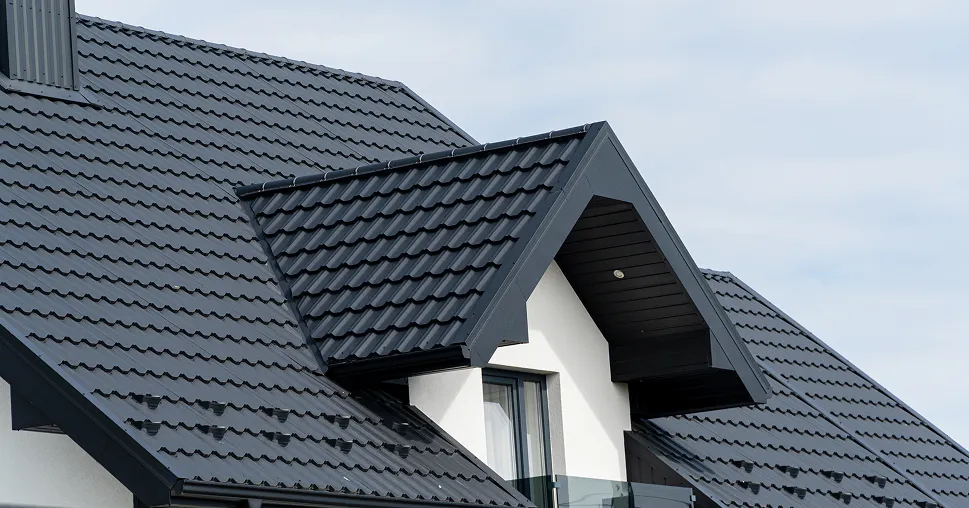
Standing seam metal roofing features clean, vertical lines that suit modern, contemporary, farmhouse, and transitional architectural styles. The concealed fastener system creates a sleek appearance that has become increasingly popular across the GTA's newer residential developments.
Metal shingles and tiles replicate the appearance of traditional roofing materials including slate, cedar shake, and clay tile while providing metal's durability and weather resistance. These products are often indistinguishable from traditional materials at ground level.
Metal panels with wood grain or stone textures offer visual interest for homeowners who want something distinctive without abandoning natural aesthetics.
Color options span the entire spectrum, from traditional blacks, grays, and earth tones to bold reds, blues, and greens. Finishes range from matte to high-gloss depending on desired appearance.
Metal roofing is now common on heritage homes in Toronto's established neighborhoods, modern custom homes in Oakville and Vaughan, farmhouses in rural areas beyond the GTA, and everything in between. The material has been embraced by architects and homeowners precisely because it is so adaptable to different aesthetic requirements.
Neighborhood Considerations
While metal roofing fits nearly any architectural style, neighborhood context matters. If you live in a neighborhood where every home has asphalt shingles in similar colors, a bright red standing seam metal roof may draw attention (positive or negative depending on perspective). Most homeowners choose metal roofing colors and profiles that complement their home and fit reasonably within their neighborhood's character while still making a quality upgrade. Local metal roofing contractors can provide perspective on what works aesthetically in your specific area.
Myth 7: Metal Roofs Interfere With Cell Phone and WiFi Signals
This concern surfaces periodically, often in online discussions, and it is essentially false for residential applications.
What the Science Shows
Metal roofing does not meaningfully interfere with modern cellular or WiFi signals. Cell phone signals are radio waves that penetrate buildings from multiple directions, including through walls, windows, and yes, through gaps and openings in any roof system. Modern cellular networks operate at frequencies and power levels designed to reach inside buildings.
WiFi signals originate inside your home from your router. A metal roof above has no impact on signal strength in rooms below. If you experience poor WiFi coverage in certain areas of your home, the cause is router placement, interior walls, distance, or interference from other electronic devices, not your roof.
Some very sensitive radio equipment or specific applications requiring unobstructed signal paths might be affected, but these are not typical residential scenarios. Millions of homes across North America have metal roofing with zero cellular or internet connectivity issues.
Real Disadvantages of Metal Roofing Worth Considering
While many myths about metal roofing are false or exaggerated, the material does have genuine limitations and considerations that deserve honest discussion.
Higher Upfront Cost
As discussed earlier, metal roofing costs significantly more upfront than asphalt shingles. While lifetime value analysis often favors metal, the initial investment is real and can be a barrier for homeowners with limited budgets or short-term ownership plans.
Potential for Denting
Metal roofing, particularly aluminum and softer steel gauges, can dent from hail or falling tree branches. While denting typically does not compromise the roof's weather protection, it is cosmetically visible. If you have large trees overhanging your roof, this is worth considering. Thicker gauge metals and certain profiles resist denting better than others.
Expansion and Contraction
Metal expands and contracts with temperature changes. Standing seam systems are specifically designed with clips that allow panels to move without stressing fasteners. However, this movement can create noise during rapid temperature changes, described by some homeowners as occasional "popping" or "ticking" sounds as the metal adjusts. This is normal and does not indicate a problem, but homeowners should be aware it can occur.
Installation Expertise Requirements
Metal roofing requires specialized installation knowledge and tools. Poor installation creates problems that are expensive to correct. Homeowners must be selective about contractors, working only with companies that have demonstrated metal roofing expertise. Finding qualified installers may be more challenging in some areas compared to finding asphalt shingle contractors. Seam Roofing provides professional metal roofing installation throughout the GTA with crews trained specifically in standing seam and metal panel systems.
Oil Canning (Visual Waviness)
Standing seam and flat panel metal roofing can exhibit oil canning, a visual waviness in the flat areas of panels. This is an aesthetic characteristic of formed metal, not a defect, and does not affect performance. However, some homeowners find it visually distracting. Oil canning can be minimized through proper panel tensioning, material selection, and installation technique, but it cannot be eliminated entirely on certain profile types.
Making an Informed Decision About Metal Roofing in Ontario
Metal roofing is not the right choice for every Ontario home or every homeowner. It is, however, a proven, durable, energy-efficient option that deserves consideration without the distortion created by persistent myths.
If you are evaluating metal roofing for your Toronto, Mississauga, Oakville, Vaughan, Markham, Brampton, or Pickering home, base your decision on facts:
- Metal roofing installed over solid decking with proper insulation is not significantly louder than asphalt shingles
- Metal roofs do not attract lightning and provide a safety advantage if lightning strikes
- Modern metal roofing materials with quality coatings do not rust in Ontario conditions when properly installed
- Metal roofing costs more upfront but often provides better lifetime value than multiple asphalt shingle replacements
- Metal roofing does not make homes colder and actually performs well in Ontario winters
- Contemporary metal roofing suits virtually any architectural style
- Metal roofing does not interfere with cell phone or WiFi signals
The genuine considerations are upfront cost, potential for denting in specific situations, the need for experienced installers, and aesthetic characteristics like oil canning. These are worth evaluating based on your specific property, budget, and priorities.
For homeowners seeking maximum longevity, minimal maintenance, excellent weather resistance, and a premium appearance, metal roofing delivers. For those prioritizing lower upfront cost or planning short-term ownership, quality asphalt shingles remain a solid choice. Both materials perform well in Ontario when properly installed and maintained. For a detailed comparison, read Metal Roofing vs. Asphalt Shingles: What's Best for Your GTA Home?
To explore whether metal roofing makes sense for your property, contact Seam Roofing for a consultation. Our team provides honest assessments of whether metal roofing suits your specific situation and transparent pricing if you decide to move forward. View examples of completed metal roofing projects across residential properties in the GTA.

.svg)
.svg)