.svg)

.svg)

.svg)
.svg)
.svg)
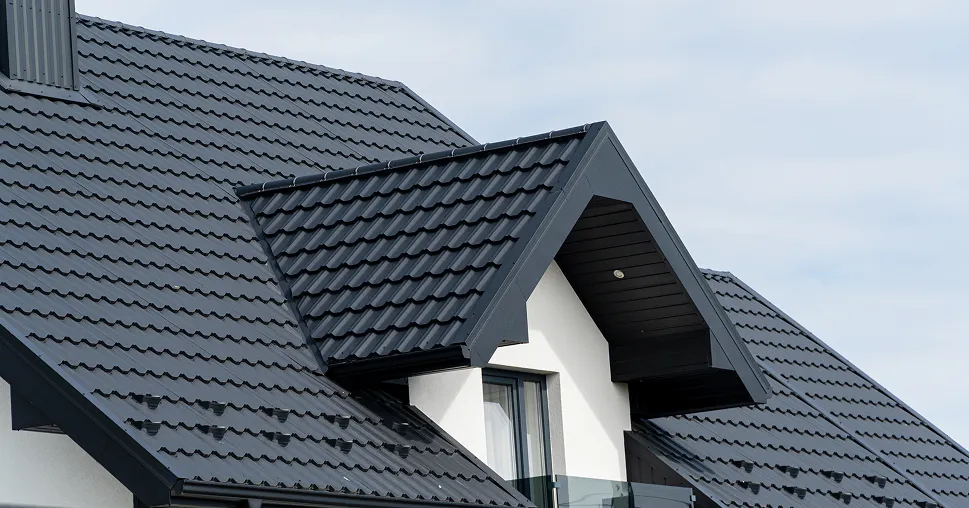
Spot roofing problems Ontario homes face before repairs get expensive. Learn roof leak causes, damage signs, and common Canadian issues.
Small roofing problems rarely announce themselves. They start quietly. A missing shingle here, a small crack there. By the time most Ontario homeowners notice something wrong, water has been seeping into their attic for months, and what could have been a $300 repair has become a $5,000 problem.
At Seam Roofing, we've responded to thousands of emergency roof repairs across our service areas throughout the GTA. The pattern is remarkably consistent. Homeowners call us after discovering ceiling stains or dripping water, but the actual problem started six months to a year earlier with warning signs they missed or ignored.
This guide explains the most common roofing problems Ontario homes face, shows you exactly what to look for, and helps you understand when small issues require immediate professional attention before they become expensive catastrophes.
Why Ontario Roofs Fail Faster Than You'd Expect
Ontario's climate creates perfect conditions for accelerated roof deterioration. Our weather patterns stress roofing materials in ways that homeowners in moderate climates never experience.
The freeze-thaw cycle is the primary culprit. Water penetrates small cracks or gaps during fall rain or spring thaw. When temperatures drop below freezing, that water expands by roughly 9 percent. This expansion forces cracks wider, allows more water in, and creates a vicious cycle that rapidly destroys roofing materials.
According to the Insurance Bureau of Canada, severe weather events in 2024 caused over $8 billion in insured damage across Canada, with ice storms alone creating $342 million in damage across Ontario and Quebec. These aren't just statistics. They represent thousands of Ontario homes suffering roof damage that could have been prevented or minimized through early detection.
These problems are particularly common in older housing stock across Toronto, where roofs installed decades ago are now reaching the end of their service life.
Temperature extremes compound the problem. Summer heat causes asphalt shingles to become brittle and crack. Winter cold makes materials contract. We experience this cycle hundreds of times annually, and each cycle weakens roofing materials incrementally.
Heavy snow loads stress roof structures. Parts of Ontario receive over 200cm of snow annually. This weight can exceed design specifications, particularly when wet spring snow adds to winter accumulation. Structural stress creates opportunities for leaks and failures.
Poor installation amplifies every other problem. A roof installed correctly handles Ontario weather reasonably well. A roof installed poorly fails prematurely regardless of material quality. The difference between a 15-year roof and a 30-year roof often comes down to installation quality, not shingle grade.
For a deeper look at the specific mechanisms behind premature roof failure in Ontario, from installation defects to ventilation failures, the causes are more preventable than most homeowners realize.
Leak-Related Issues You Need to Catch Early
Water intrusion represents the most common and damaging roofing problem Ontario homeowners face. The trick is catching leaks before they cause thousands in damage to insulation, framing, drywall, and interior finishes.
Visible Water Stains
Brown or yellowish stains on ceilings or walls indicate active or previous water intrusion. These stains rarely appear directly below the leak source. Water enters through one spot, travels along rafters or sheathing, and emerges at a different location entirely.
Fresh stains appear darker and may feel damp to touch. Old stains look faded but indicate past leaks that might recur. Either way, ceiling stains warrant immediate investigation. Small stains today become large problems tomorrow.
Don't assume ceiling stains mean roof leaks automatically. Plumbing leaks, HVAC condensation, or attic condensation from poor ventilation can create identical staining. However, stains appearing after rain or near exterior walls typically indicate roof problems requiring professional assessment.
Missing or Damaged Shingles
Missing shingles create obvious entry points for water. A single missing shingle might seem trivial, but it exposes underlayment that isn't designed to be a primary water barrier. Once underlayment fails (often within weeks to months), water penetrates directly into roof decking.
Damaged shingles include those that are cracked, curled, buckled, or have lost significant granules. Granule loss appears as dark patches where the asphalt base shows through. Check gutters for excessive granule accumulation, which indicates advanced shingle deterioration.
Wind damage often tears shingles along nail lines or rips entire sections loose. After severe storms, walk around your property and visually inspect all roof surfaces from the ground. Missing shingles are often visible from street level.
Compromised Flashing
Flashing seals transitions where roofing materials meet vertical surfaces: chimneys, vent pipes, skylights, and wall intersections. These areas fail first on most roofs because they're complex installations requiring precise workmanship.
Rust on metal flashing indicates deterioration. Once rust penetrates metal, water follows quickly. Cracked or missing sealant around flashing creates immediate leak points. Paint peeling near flashing often signals water infiltration behind the material.
Step flashing along walls or dormers can separate from walls or shingles, creating gaps. Valley flashing (where two roof planes meet) experiences high water flow and fails when damaged. These high-risk areas warrant close inspection during routine maintenance.
Attic Moisture and Mold
Your attic tells stories your ceiling conceals. Moisture in attics appears as dampness on wood surfaces, wet insulation, mold growth, or musty odors. During winter, frost or ice accumulation on rafters indicates serious moisture problems.
While poor ventilation can cause attic moisture without roof leaks, moisture combined with staining on rafters or sheathing almost certainly indicates active leaks. Mold growth signals moisture has been present long enough for biological growth to establish. This isn't just structural damage, it's a potential health hazard requiring immediate attention.
Check insulation for wetness by touching it. Wet insulation clumps, loses R-value, and becomes heavy. Saturated insulation often needs complete replacement, adding significantly to repair costs. The earlier you catch moisture intrusion, the less collateral damage you'll face.
Ventilation and Insulation Problems
Ventilation and insulation problems create conditions for premature roof failure even when roofing materials are in good condition. According to the Metal Roofing Alliance, proper ventilation can extend roof life by up to 20 percent.
Inadequate Attic Ventilation
Proper attic ventilation requires balanced intake (soffit vents) and exhaust (ridge or roof vents). Without adequate airflow, heat and moisture accumulate in attics, creating multiple problems.
Summer heat buildup can push attic temperatures above 65°C. This extreme heat cooks shingles from below, causing premature aging, cracking, and granule loss. Shingles designed to last 25 years might fail at 15 when subjected to excessive attic heat.
Winter moisture accumulation occurs when warm, humid air from living spaces enters cold attics without adequate ventilation to remove it. This moisture condenses on cold surfaces, soaks insulation, promotes mold growth, and can even create frost or ice accumulation on roof decking.
Signs of ventilation problems include excessive attic heat in summer, frost or ice on attic surfaces in winter, and curled or buckled shingles showing premature aging patterns. If your energy bills have increased without explanation, poor attic ventilation forcing your HVAC system to work harder might be the cause.
Insufficient or Damaged Insulation
Insulation prevents heat loss from living spaces into attics. Without adequate insulation (R-38 to R-50 for Ontario attics), heat escapes constantly, creating the temperature differentials that cause ice dams and accelerate shingle aging.
Damaged insulation loses effectiveness. Water damage, pest activity, or compression from stored items reduces R-value. Gaps in insulation coverage create thermal bridges where heat escapes preferentially.
Check insulation depth and coverage during attic inspections. Insulation should cover the entire attic floor without gaps, shouldn't block soffit vents, and should maintain consistent depth throughout. Compressed or wet insulation needs replacement.
Ice Dam Formation and Snow-Related Damage
Ice dams represent one of Ontario's most destructive seasonal roofing problems. Understanding how they form helps you prevent them or spot warning signs before serious damage occurs.
How Ice Dams Develop
Ice dams form when heat escaping into attics warms roof surfaces, melting snow from below. Melted snow flows toward colder eaves where it refreezes, creating ice ridges. As this process continues, the ice ridge grows larger and traps subsequent meltwater behind it.
Trapped water has nowhere to drain. It backs up under shingles, penetrates underlayment, and infiltrates roof decking, attic spaces, walls, and ceilings. A severe ice dam can force thousands of gallons of water into your home over a single winter.
Ontario's climate creates ideal ice dam conditions. According to Insurance Bureau of Canada data, fluctuating winter temperatures combine with heavy snowfall to create freeze-thaw cycles multiple times throughout winter. Urban areas near Lake Ontario experience microclimate effects that intensify ice dam formation through lake-effect snow and uneven heating patterns.
Warning Signs of Ice Dam Formation
Large icicles hanging from eaves often indicate beginning ice dam formation. While small icicles during cold snaps are normal, extensive icicle formations suggest problematic heat loss and water flow patterns.
Uneven snow melting on your roof shows heat escaping unevenly. If some areas clear completely while others retain full snow cover, you have insulation problems or air leaks allowing excessive heat into specific attic zones.
Water stains on exterior walls just below the roofline signal that ice dam water infiltration has already begun. Interior water stains appearing during or after winter thaws definitively indicate ice dam problems requiring immediate attention.
Ice Dam Prevention
Preventing ice dams requires addressing the root cause: heat loss into attics. Improving attic insulation to R-38 or higher creates thermal barriers that keep roof surfaces cold. Proper ventilation removes any heat that does escape, maintaining uniform roof temperatures.
Sealing air leaks around attic penetrations (recessed lights, plumbing vents, chimneys, electrical wiring) prevents warm air from bypassing insulation. These leaks are often the primary heat source warming roof surfaces.
Ice and water shield membrane installation under shingles at eaves provides secondary protection against water infiltration if ice dams do form. This underlayment creates waterproof barriers that prevent water from penetrating even when backed up by ice. For urgent winter roof damage, contact our emergency repair services.
Flat Roof Drainage and Ponding Issues
Flat roofing systems face unique challenges that pitched roofs avoid. Drainage problems on flat roofs lead to premature membrane failure and costly water damage.
Ponding Water
Ponding water (water that remains on flat roofs more than 48 hours after rainfall) accelerates membrane deterioration. Even "flat" roofs need slight slopes for drainage, but settlement, structural deflection, or poor original design can create low spots where water collects.
Standing water increases UV exposure time on membranes, breaks down protective coatings faster, and provides opportunities for ice formation in winter that damages membrane seams. Ponding water also increases live loads on roof structures beyond design specifications.
Inspect flat roofs after rainfall. If water remains 48 hours later, you have drainage problems requiring professional assessment. Dark discoloration or biological growth (algae, moss) on flat roof surfaces indicates areas where water ponds regularly.
Clogged Drains and Scuppers
Flat roof drains and scuppers remove water from roof surfaces. When clogged with debris, leaves, or ice, they create backup conditions that can overwhelm roofing systems.
Regular drain cleaning prevents most drainage problems. Check drains monthly, especially in fall when leaf accumulation peaks and before winter when ice can create blockages. Ensure drain covers are intact and properly sized to prevent debris entry while allowing water flow.
Our Public Library flat roofing project demonstrates proper drainage design and maintenance planning. Commercial buildings require especially vigilant drainage maintenance because roof areas are large and drainage failures can cause catastrophic damage quickly.
When Small Problems Become Expensive
The difference between a $300 repair and a $5,000 disaster often comes down to timing. Small roofing problems expand exponentially if ignored.
The Escalation Timeline
A single damaged shingle costs $5 to replace when caught immediately. Left alone, water penetrates underlayment within weeks to months. Once underlayment fails, water damages roof decking, requiring sheathing replacement adding hundreds of dollars to repair costs.
Water continuing into attics soaks insulation (requiring replacement), promotes mold growth (requiring remediation), and stains drywall (requiring cosmetic repairs). Within six months to a year, that $5 shingle has created thousands in collateral damage.
Structural problems develop when water damage reaches framing. Wet lumber rots, loses strength, and can create safety hazards. Major framing repairs cost tens of thousands and may require temporary relocation during work.
Before it gets to that point, check out our guide on when to repair your roof or replace it.
Recognizing When to Act
Any visible damage to roofing materials warrants immediate professional assessment. Don't wait for leaks to appear before calling professionals. By the time water appears inside your home, significant hidden damage has already occurred.
After severe weather (high winds, hail, major ice storms), schedule professional inspection even if you see no obvious damage. Impact damage or fastener withdrawal may not be visible from ground level but creates future leak points.
If your roof approaches its expected lifespan for its material type (see our roof lifespan guide for specific timeframes), professional assessment helps you plan replacement timing before emergency failures force rushed, expensive decisions.
When to Call a Professional Roofer
DIY inspection catches obvious problems, but professional roofers identify subtle issues that lead to future failures. At Seam Roofing, our roofing consultations provide comprehensive assessments that catch problems before they become emergencies.
Annual Inspection Schedule
Schedule professional inspections annually, ideally in spring after winter weather and again in fall before winter arrives. Spring inspections catch winter damage early. Fall inspections ensure your roof enters winter in good condition.
Understanding how a full-service roofing company manages this process, from inspection through remediation,can help you set the right expectations before calling
Properties with significant tree coverage, complex roof designs, or roofs older than 15 years benefit from twice-yearly professional inspection. The cost of regular inspections (typically $150 to $300) is negligible compared to emergency repair costs.
After Severe Weather Events
Major storms warrant professional inspection regardless of whether you see visible damage. High winds can lift shingles without removing them entirely, creating hidden vulnerabilities. Hail impact damage may not be immediately obvious but weakens shingles and shortens lifespan.
Ice storms stress entire roof systems through weight, thermal shock, and ice dam formation. Even if your roof appears fine, internal damage may have occurred requiring expert assessment. If you're experiencing active leaks or storm damage, our emergency roof repair team responds quickly across the GTA.
Before Real Estate Transactions
Pre-purchase roof inspections protect home buyers from inheriting expensive roofing problems. Sellers benefit from documentation proving roof condition and remaining lifespan. A comprehensive inspection report facilitates informed negotiations and prevents surprises after closing.
When You Notice Warning Signs
Any of the warning signs discussed in this guide warrant professional assessment:
- Ceiling or wall stains
- Missing or damaged shingles
- Visible flashing damage
- Attic moisture or mold
- Ice dam formation
- Flat roof ponding
- Increased energy bills
- Visible sagging
Don't wait for problems to worsen. Early detection and repair prevent expensive escalation and protect your home's value.
We provide honest assessments throughout the GTA, including detailed documentation, transparent pricing, and realistic repair timelines. Our goal is protecting your investment through proactive maintenance, not selling unnecessary services.
Ready to protect your roof? Contact us to schedule a comprehensive inspection. We'll identify any problems, explain what they mean, and provide clear guidance on necessary repairs and their timing.
Your roof is one of your home's most critical systems. Don't let small problems become expensive disasters.

.svg)
.svg)